Climate & Environmental Resilience
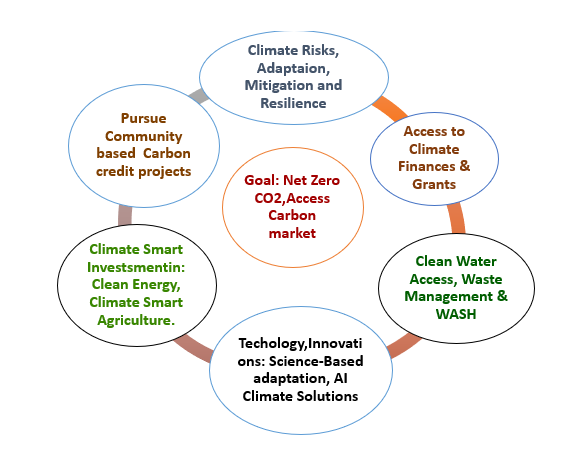
UMA supports organizations and communities to adopt climate smart ways of livelihoods and investments. Our approach include advocacy, capacity building and resource mobilization to empower households to transition from carbon-emission activities towards non-carbon climate change practices. UMA support include adaptability to climate smart activities; mitigation and sustainability to build resilience in their daily chores, investments and livelihoods.
- UMA’s Climate Change Support Areas:
- Supporting communities transitioning from wood fuel energy towards zero-carbon clean energy practises.
- Accelerating the Transition towards A Net Zero through innovation & Technology: A Bold Action for scaling up locally-based climate actions and unleashing Carbon Credits for economic and environmental sustainability.
- Assessment of key areas with higher contribution of CO2 emissions for targeting interventions;
- Community engagements to support climate change projects planning, implementation and reporting on environmental pollution for mitigation and joint management;
- Capacity building and training support to enhance community’s transitioning towards CO2 reduction adaptability activities and embrace carbon-free business, smart agriculture, from wood fuel energy reliance to clean energy et
- Climate adaptation activities: involve reducing the risk of adverse climate impacts such as physical risks (floods, droughts, heavy rainfall, heatwaves) and transition risks (policy changes, technological advancement, and market dynamics). UMA approach includes, advocating and training organizations and community groups to engage in activities that reduce all types of risks and climate impacts by adapting draught resistance crops, control of soil erosion through terraces, practice agroforestry and water harvesting activities among others.
- Climate mitigation support activities: entails reductions or removal of greenhouse gas emissions by engaging in renewable energy systems, energy efficiency systems, clean mobility and fuels, carbon capture technologies, switching to sustainable materials and nature-based solutions such as afforestation, regenerative agriculture, cropland, grassland, and wetland restorations.
- UMA mentorship Programme: Mentoring of young innovators at colleges, universities and Schools is one of major activities for addressing critical conservation challenges, the programme aims at empowering the youth and children towards adaptation,mitigation, and sustainability of climate change challenges, harness food security and clean environment.

2. UMA Support for Locally-Led Climate Change Resilience
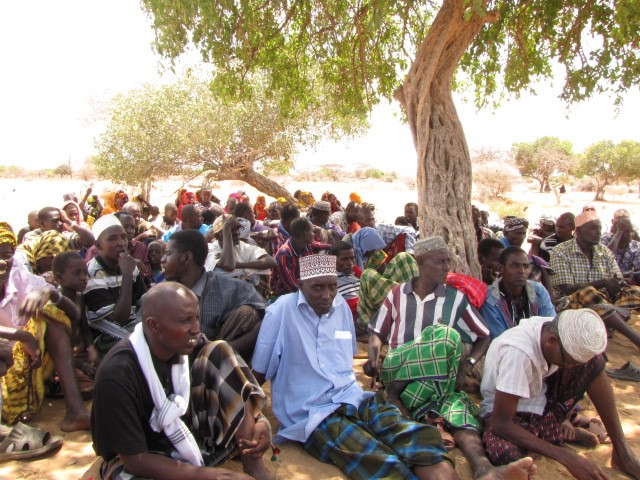
UMA empowering communities to unlock climate smart resilient locally-led climate change Adaptation, Mitigation and Sustainable development in agriculture, agroforestry, renewable energy, clean water, environmental conservation and soil management etc. Core Areas of Support include:
- Planning and Capacity building to empower local communities in implementing Kenya’s National Climate Change Action Plan (NCCAP) framework 2030; Locally–Led Climate Action Program (G-FLLoCA)for Counties and community groups;
- Mainstreaming of global and national Climate policy and regulatory framework into institutional operation actions;
- Climate information, technology innovation Adaptation;
- Capacity Development and Knowledge Management;
- Capacity support for Social Risk Assessment and Management -climate actions social impacts
- Planning and Program management + M&E and reporting support.
- TA Capacity Health, water, food and nutrition, energy and renewable energy climate TA Support for County and Community Locally-led climate actions.
- TA support to promote Climate Smart-Agriculture, best practices
3. UMA Collaborations and Partnership
UMA joins and collaborates with other climate change Champions and partners to support Kenya’s implementation of the NCCAP and NDC targets aligned to the existing national plans with the country’s five-year Medium-Term Plan development cycle and updated NDC targets. UMA supports the implementation of the NDC’s seven priority climate action areas,
- Adaptation and mitigation actions across policy and regulatory environments;
- Capacity building;
- Knowledge management;
- technology and innovation;
- Climate finance;
- Monitoring,
- Reporting and verification.
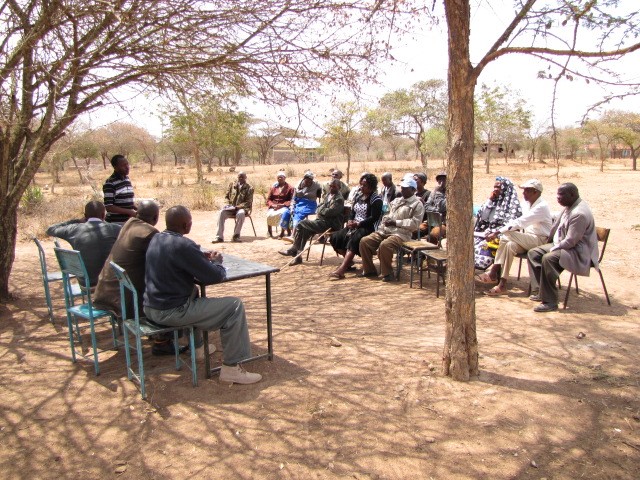
Some individuals, partners include conservation networks based at County and Communities who join together with UMA teams to derive accelerated Locally-Led climate change adaptation, mitigation and sustainable management across social and productive sectors of the economy alongside preservation and conservation of biodiversity and environment.
4. Access to Climate Finances and Environmental Activities:
UMA supports organizations and community groups to access available grants and other designated for climate change and environmental activities. Some available funds include, United Nations Framework Convention on Climate Change (UNFCCC) and over a dozen other funding agencies such as Green Climate Fund, Governments, UN, Multilateral and bilateral agencies and private investors etc.
Core areas of UMA Support include:
- Supporting clients to identify and analyze new business ventures and opportunities, designing targets for ESG, and developing roadmaps for execution;
- TA advisory services include, identify potential priority Green investment project ventures, sourcing for climate change funding agencies;
- TA support for conceptualization and development of Concept Notes for organizations application for grants and direct investments including approvals, projects feasibility studies, projects environmental impact assessment and Audits, economic and financial analysis and capacity building to ensure;
- Assessment and development of the Climate risk management Solutions
- Capacity building for the regulatory requirements within credit processes, sectorial models, stress testing and scenario analysis, revised ERM frameworks, and risk appetite
5. Driving Climate Resilience through innovation and technology
UMA supports science-based and AI solutions to tackle challenges and risks posed by climate change and environmental pollution. During the next decades towards 2030 and beyond, UMA will intensify its Advocacy, Technical Assistance support, Advisory services and Capacity building to empower our clients’ capacity to address the effects of Climate Change, support climate readiness programs, navigate through steps of the climate change planning, investments, adaptability, mitigation and resilience in their daily enterprises.
UMA’s Core Areas of Investments Support: